
การจัดเวทีเสวนาข้ามภาคส่วน โครงการวิจัยและพัฒนาต้นแบบเพื่อการอยู่ร่วมกันอย่างยั่งยืนระหว่างคนกับช้างในประเทศไทย (17.2.2)
รายละเอียดโครงการ
มหาวิทยาลัยได้ริเริ่มและมีส่วนร่วมในการจัดเวทีเสวนาข้ามภาคส่วนเกี่ยวกับ SDGsโดยตระหนักถึงความสำคัญของการสร้างความร่วมมือระหว่างภาคการศึกษา หน่วยงานภาครัฐ ภาคเอกชน และภาคประชาสังคม เพื่อแลกเปลี่ยนองค์ความรู้ แบ่งปันแนวปฏิบัติที่ดีและพัฒนายุทธศาสตร์ร่วมกันเพื่อขับเคลื่อนการพัฒนาอย่างยั่งยืน
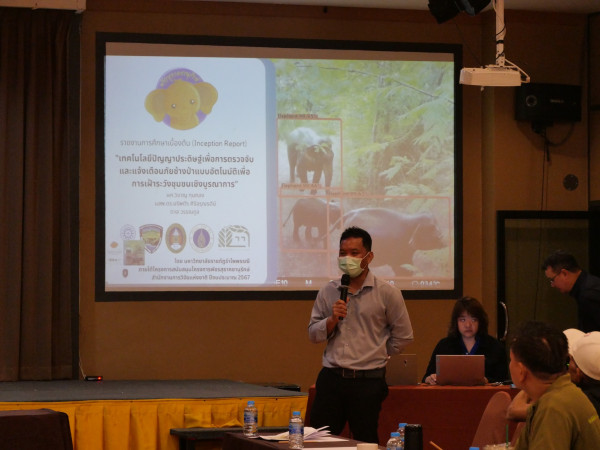
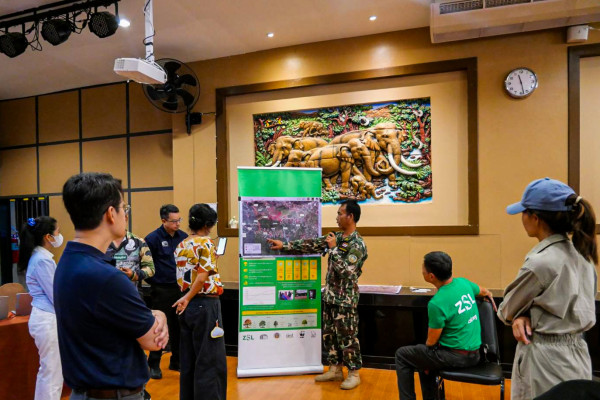
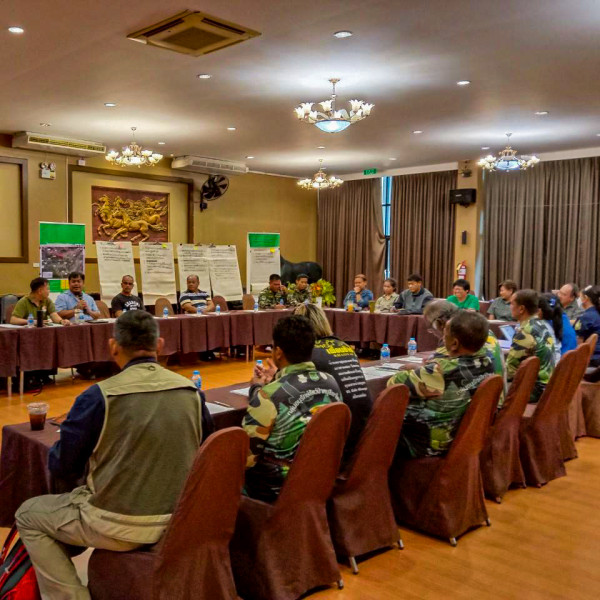
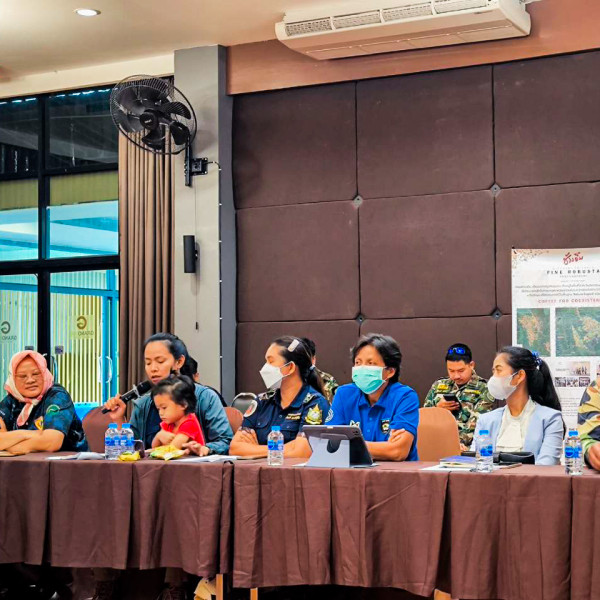
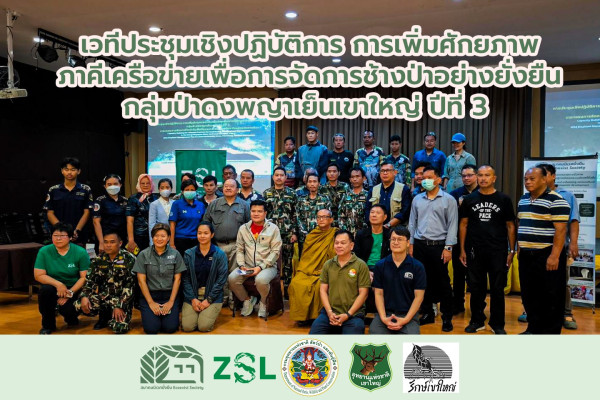
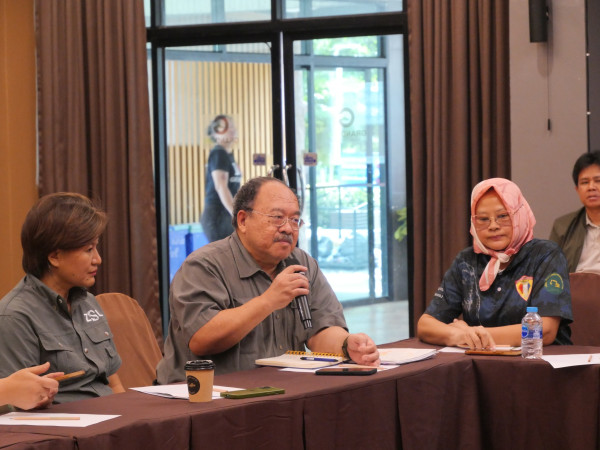
กิจกรรมที่โดดเด่น ยกตัวอย่างเช่นมหาวิทยาลัยราชภัฏรำไพพรรณี ร่วมกับ สมาคมนิเวศยั่งยืนสมาคมสัตววิทยาแห่งลอนดอน(Zoological Society of London: ZSL Thailand)อุทยานแห่งชาติเขาใหญ่ และองค์กรภาคีเครือข่ายทั้งในและต่างประเทศ ซึ่งดำเนินงานภายใต้การสนับสนุนจาก Darwin Initiative รัฐบาลสหราชอาณาจักรได้ริเริ่มและมีส่วนร่วมในการจัดเวทีเสวนาข้ามภาคส่วน เกี่ยวกับการเพิ่มศักยภาพภาคีเครือข่ายเพื่อการจัดการช้างป่าอย่างยั่งยืน กลุ่มป่าดงพญาเย็นเขาใหญ่ โครงการวิจัยและพัฒนาต้นแบบเพื่อการอยู่ร่วมกันอย่างยั่งยืนระหว่างคนกับช้างในประเทศไทย
โครงการนี้ดำเนินการตั้งแต่ปี พ.ศ. 2566 - 2568 วัตถุประสงค์เพื่อพัฒนาโมเดลต้นแบบการจัดการช้างป่าอย่างสันติและยั่งยืนที่สามารถขยายผลไปยังพื้นที่อื่นของประเทศ โดยยึดหลัก“คนปลอดภัย ช้างปลอดภัย เคารพคน เข้าใจช้าง สื่อสารอย่างมีส่วนร่วม”เพื่อให้ทุกภาคส่วนในสังคมสามารถอยู่ร่วมกันกับช้างป่าได้อย่างปลอดภัยและสมดุล
SDG 17: Partnerships for the Goals
Initiative: Cross-Sectoral Dialogue Platforms for Strengthening Partnerships toward Sustainable Development
1. Overview
Recognizing the importance of collaboration in achieving the Sustainable Development Goals (SDGs), Rambhai Barni Rajabhat Universityhas initiated and participated in cross-sectoral dialogue platforms that bring together key partners from academia, government, private organizations, and civil society. These dialogues aim to exchange knowledge, share best practices, and co-develop strategies for advancing sustainable development at local, national, and international levels.
2. Highlighted Activity
A notable example is the collaborative forum jointly organized by Rambhai Barni Rajabhat University, the Sustainable Ecology Association, the Zoological Society of London(ZSL Thailand), Khao Yai National Park, and various domestic and international partners. The initiative was supported by the Darwin Initiative of the UK Government and focused on enhancing the capacity of stakeholder networks for sustainable wild elephant management in the Dong Phayayen–Khao Yai Forest Complex.
This activity forms part of the Research and Development Project on Sustainable Human–Elephant Coexistence in Thailand (2023–2025). The project’s primary objective is to develop a prototype model for peaceful and sustainable wild elephant management, which can later be scaled up to other regions across the country.
3. Core Philosophy and Objectives
The project is guided by the principle of:
“Safe People, Safe Elephants — Respect People, Understand Elephants, and Communicate with Participation.”
This concept promotes empathy, mutual respect, and participatory communication between communities and wildlife stakeholders. It encourages all sectors of society to coexist safely and harmoniously with wild elephants while maintaining ecological balance.
Key objectives include:
-Building long-term partnerships across multiple sectors for wildlife and ecosystem conservation.
-Strengthening local capacity and awareness of sustainable coexistence practices.
-Integrating traditional knowledge, scientific research, and modern technology into wildlife management.
-Facilitating dialogue to shape evidence-based strategies and policies aligned with the SDGs.
4. Key Partners
-Rambhai Barni Rajabhat University (Thailand)
-Sustainable Ecology Association (Thailand)
-Zoological Society of London (ZSL Thailand)
-Khao Yai National Park
-Darwin Initiative, UK Government
-Local communities within Dong Phayayen–Khao Yai Forest Complex
-Academic and research institutions (national and international)
5. Outcomes and Impacts
-Strengthened Multi-Stakeholder Partnerships: Enhanced collaboration between academic institutions, conservation agencies, and local communities, aligning with SDG 17.
-Policy and Knowledge Exchange: Promoted evidence-based policy development and mutual learning among experts, practitioners, and community representatives.
-Capacity Building: Improved the technical and organizational capacity of local networks in managing human–elephant interactions.
-Replication Potential: Developed a prototype model of coexistence that can be replicated in other regions of Thailand.
-Global Engagement: Contributed to international cooperation through support from the Darwin Initiative, reflecting Thailand’s participation in global biodiversity conservation efforts.
6. Future Commitment
Rambhai Barni Rajabhat Universitywill continue to expand its collaborative platforms and partnerships with national and international stakeholders. Future actions will include:
-Establishing a National Center for Human–Elephant Coexistence Research.
-Developing joint research programs with global conservation organizations.
-Incorporating project findings into academic curricula and training programs to promote SDG literacy.
-Continuing cross-sectoral dialogues as a mechanism for inclusive decision-making and sustainable policy development.
Through these efforts, the university reinforces its role as a connector and catalyst for achieving the Sustainable Development Goals—demonstrating that collective partnership is the foundation for creating a sustainable and balanced coexistence between people, wildlife, and nature.
ภาพกิจกรรม
ลิงก์ที่เกี่ยวข้อง
SDG ที่เกี่ยวข้อง
 SDG 15 : การใช้ประโยชน์จากระบบนิเวศทางบก
 SDG 17 : ความร่วมมือเพื่อการพัฒนาที่ยั่งยืน