โครงการ “บ้านหนองบัว (เขาสำเภาคว่ำ): พื้นที่สีเขียวเพื่อการอนุรักษ์ทรัพยากรชายฝั่งอย่างยั่งยืน” (17.2.5)
รายละเอียดโครงการ
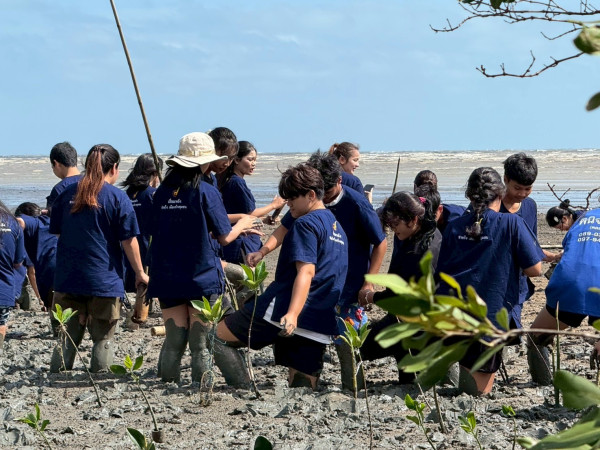
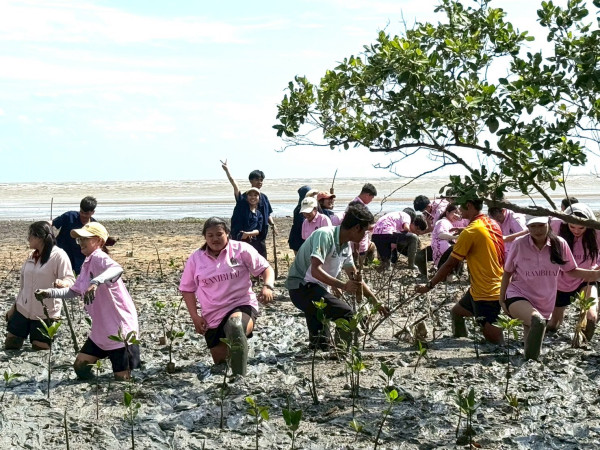
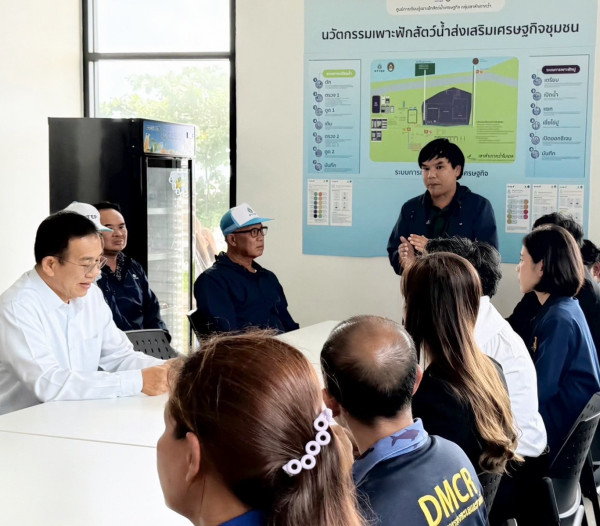
มหาวิทยาลัยราชภัฏรำไพพรรณีดำเนินความร่วมมือกับองค์กรพัฒนาเอกชนในการขับเคลื่อนเป้าหมายการพัฒนาที่ยั่งยืน ผ่านกิจกรรมอาสาสมัครนักศึกษา การวิจัยร่วม และการพัฒนาแหล่งเรียนรู้ โดยเฉพาะภายใต้โครงการ “บ้านหนองบัว (เขาสำเภาคว่ำ): พื้นที่สีเขียวเพื่อการอนุรักษ์ทรัพยากรชายฝั่งอย่างยั่งยืน”พื้นที่บ้านหนองบัวประสบปัญหาป่าชายเลนกว่า 3 ไร่เสื่อมโทรมจากภัยธรรมชาติและการบุกรุก มีขยะทะเลสะสมจำนวนมากจากแหล่งท่องเที่ยว และน้ำทะเลปนเปื้อนจนส่งผลต่อการเพาะฟักปูทะเลและระบบนิเวศชายฝั่ง มหาวิทยาลัยร่วมกับชุมชนและองค์กรภาคีทั้งภาครัฐ เอกชน และ NGOs จึงได้ดำเนินการฟื้นฟูพื้นที่ด้วยกระบวนการมีส่วนร่วม โดยให้นักศึกษาและคณาจารย์ร่วมสำรวจ วิเคราะห์ คืนข้อมูลให้ชุมชน และร่วมกำหนดแนวทางแก้ไขอย่างยั่งยืน โครงการบูรณาการกับการเรียนการสอน การวิจัย และบริการวิชาการ ผ่านการคิดค้นนวัตกรรมจากขยะทะเล เช่น การนำกระบอกไม้ไผ่มาใช้เพาะต้นโกงกางเพื่อลดการใช้ถุงเพาะชำ ลดขั้นตอนการปลูก และเพิ่มอัตราการรอดของต้นกล้า รวมถึงการนำขวดพลาสติกมาผลิตเป็นแผ่นรองทางเดินในพื้นที่สาธารณะ ทั้งนี้กิจกรรมต่าง ๆ ช่วยลดปัญหาสิ่งแวดล้อม เพิ่มรายได้เสริมให้ชุมชน และพัฒนาเป็นแหล่งเรียนรู้และ CSR ของมหาวิทยาลัยจากผลการดำเนินงานสามารถฟื้นฟูป่าชายเลนได้เฉลี่ยปีละ 1 ไร่ ปล่อยลูกปูม้าสู่ทะเลกว่า 100 ล้านตัวต่อปี มีนักศึกษาร่วมกิจกรรมมากกว่า 1,000 คนต่อปี และบุคคลภายนอกกว่า 5,000 คนต่อปี ชุมชนมีรายได้เฉลี่ยเพิ่มขึ้นปีละ 150,000 บาท ได้รับงบสนับสนุนจากภาคเอกชนกว่า 2 ล้านบาท และมีแผนพัฒนาต่อเนื่องระยะ 5 ปี รวมมูลค่ากว่า 24 ล้านบาท โครงการนี้ก่อให้เกิดนวัตกรรมการจัดการทรัพยากรโดยชุมชน “สำเภาคว่ำโมเดล” ซึ่งได้ขยายผลสู่ชุมชนชายฝั่ง 17 จังหวัดรอบอ่าวไทย และได้รับการสนับสนุนจากภาครัฐ เอกชน และสถาบันการศึกษาให้เป็น พื้นที่ต้นแบบด้านการอนุรักษ์และการเรียนรู้ สะท้อนบทบาทผู้นำของมหาวิทยาลัยราชภัฏรำไพพรรณีในการบูรณาการพันธกิจเพื่อการพัฒนาชุมชนอย่างยั่งยืนตามแนวทาง SDGs
Rambhai Barni Rajabhat University (RBRU): Partnership for Sustainable Coastal Resource Conservation
(SDG 14: Life Below Water, SDG 15: Life on Land, SDG 17: Partnerships for the Goals)
Overview
Rambhai Barni Rajabhat University (RBRU) collaborates with non-governmental organizations (NGOs) to advance the United Nations Sustainable Development Goals (SDGs) through student volunteerism, collaborative research, and the development of community learning centers. A flagship initiative under this mission is the project “Ban Nong Bua (Khao Samphao Kwam): Green Zone for Sustainable Coastal Resource Conservation.”
Background and Challenges
Ban Nong Bua community faced severe environmental degradation — over 3 rai of mangrove forest had deteriorated due to natural disasters and encroachment. The area also suffered from marine debris accumulation caused by tourism and seawater pollution that affected blue crab breeding and the coastal ecosystem.
Implementation and Innovation
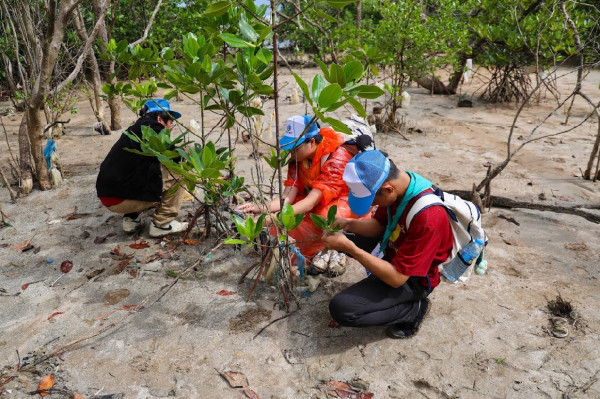
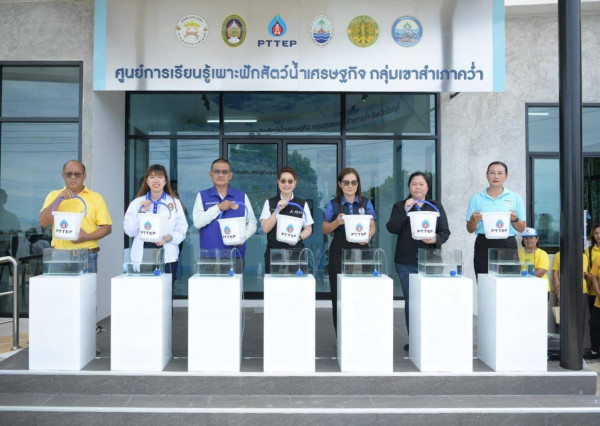
In response, RBRU partnered with local communities, government agencies, the private sector, and NGOs to restore the area through participatory and community-based approaches. Faculty members and students jointly conducted surveys, data analysis, and community feedback sessions to co-design sustainable restoration strategies.
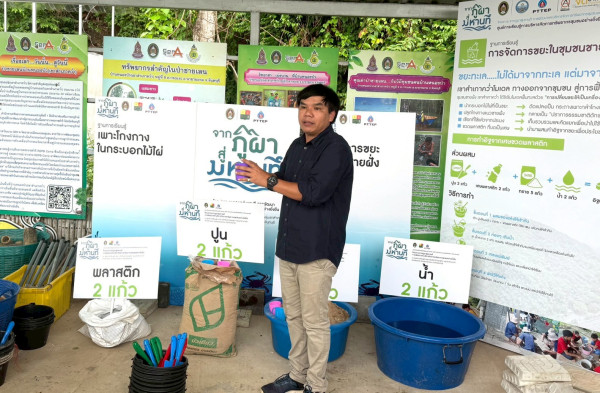
The project integrates teaching, research, and academic service, promoting innovation in marine waste management—for example:
- Using bamboo tubes instead of plastic bags for mangrove seedling cultivation, reducing waste and improving survival rates.
- Recycling plastic bottles into walkway panels for public spaces, promoting circular economy practices.
Key Outcomes
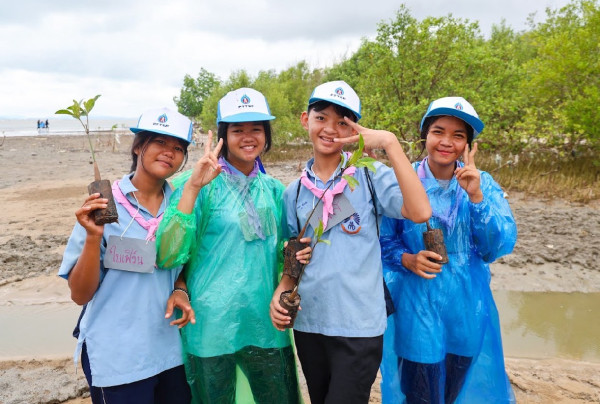
- Restoration of an average of 1 rai of mangrove forest annually.
- Release of over 100 million blue crab larvae into the sea each year.
- Engagement of more than 1,000 students and over 5,000 external participants annually.
- Increased average community income by 150,000 THB per year.
- Secured over 2 million THB in private sector funding and developed a 5-year sustainability plan valued at 24 million THB.
Impact and Expansion
The initiative led to the creation of the “Samphao Kwam Model”—a community-based resource management innovation that has been scaled up to 17 coastal provinces around the Gulf of Thailand. Supported by government, private, and academic institutions, the area has become a national model for conservation and experiential learning.
Conclusion
This project exemplifies RBRU’s leadership in integrating education, research, and community engagement to achieve sustainable coastal resource management. It reflects the university’s strong commitment to SDG 14 (Life Below Water), SDG 15 (Life on Land), and SDG 17 (Partnerships for the Goals)—strengthening resilience, empowering local communities, and fostering innovation for a sustainable future.
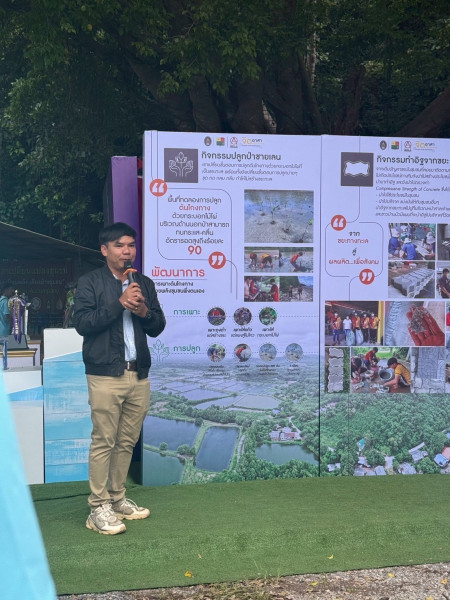
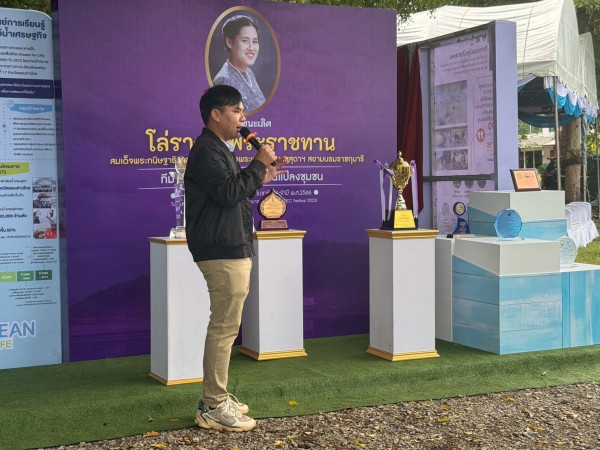
ภาพกิจกรรม
ไฟล์ที่แนบ
SDG ที่เกี่ยวข้อง
 SDG 4 : การศึกษาที่มีคุณภาพ
 SDG 8 : การจ้างงานที่มีคุณค่าและการเติบโตทางเศรษฐกิจ
 SDG 11 : เมืองและถิ่นฐานมนุษย์อย่างยั่งยืน
 SDG 12 : แผนการบริโภคและการผลิตที่ยั่งยืน
 SDG 17 : ความร่วมมือเพื่อการพัฒนาที่ยั่งยืน