
การบำบัดน้ำเสียในมหาวิทยาลัย (Wastewater treatment process in the university)-6.3.1
รายละเอียดโครงการ
มหาวิทยาลัยราชภัฏรำไพพรรณมีระบบและการดำเนินงานเพื่อควบคุมน้ำเสียจากแหล่งกำเนิด ประกอบด้วย
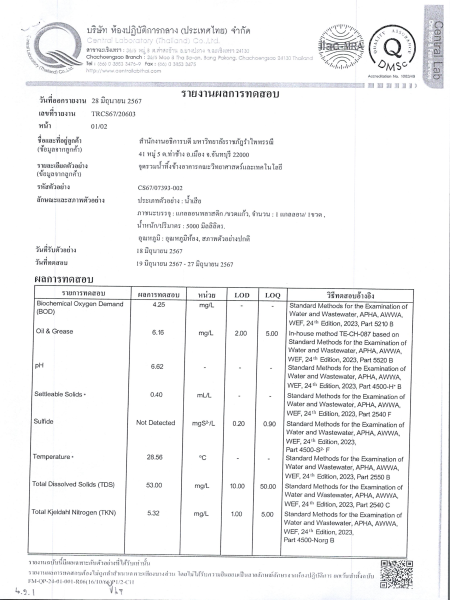
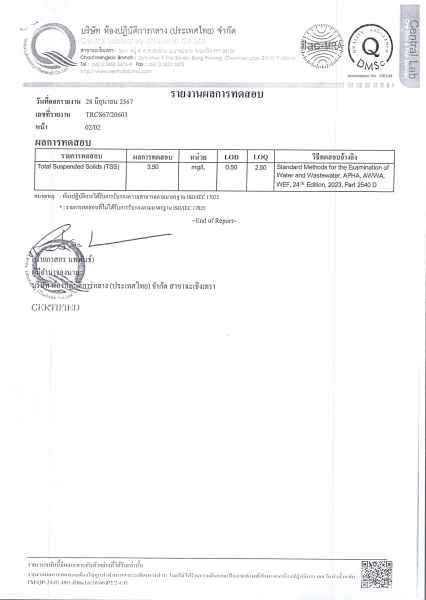
1.จัดทำประกาศมาตรการด้านของเสีย โดยกำหนดให้มีการตรวจสอบคุณภาพน้ำทิ้งและควบคุมให้เป็นไปตามมาตรฐาน
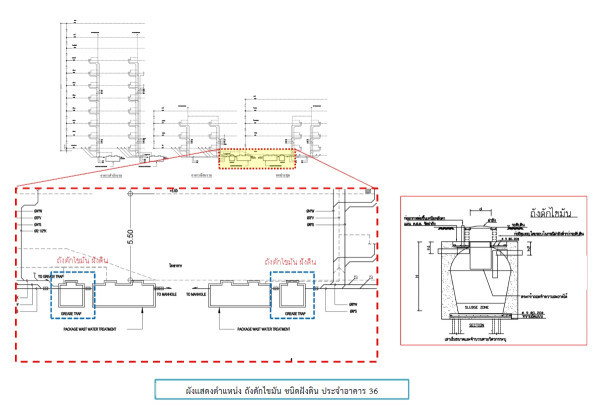
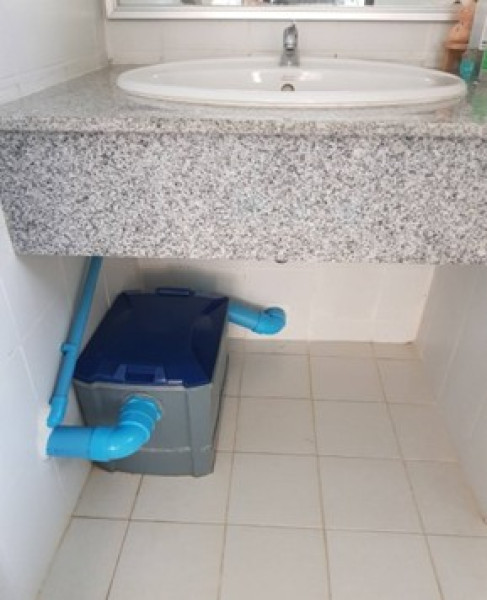
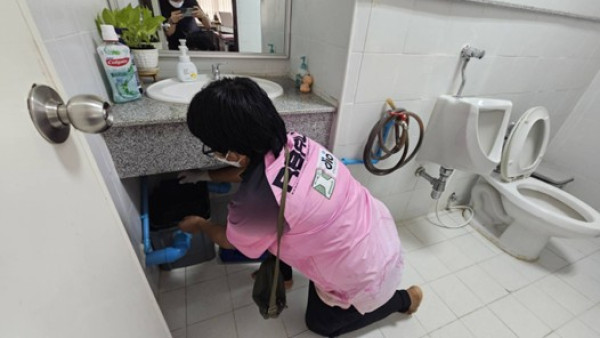
2. การติดตั้งถังดักไขมันและน้ำมัน (Oil and Grease Trap) เพื่อบำบัดน้ำทิ้งจากการล้างภาชนะในอาคาร และการควบคุมน้ำเสียจากอาคารเรียนด้วยระบบบำบัดน้ำเสียแบบติดกับที่ (Onsite treatment) และแบบระบบบ่อเกรอะ (Septic Tank)
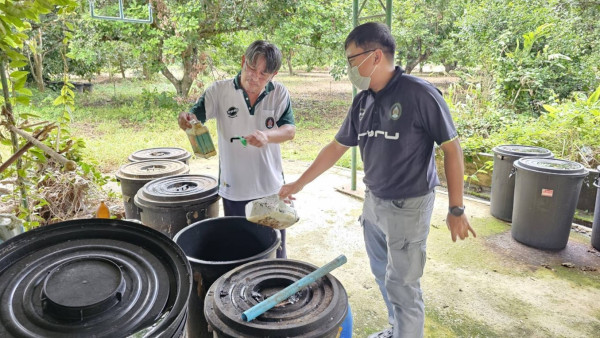
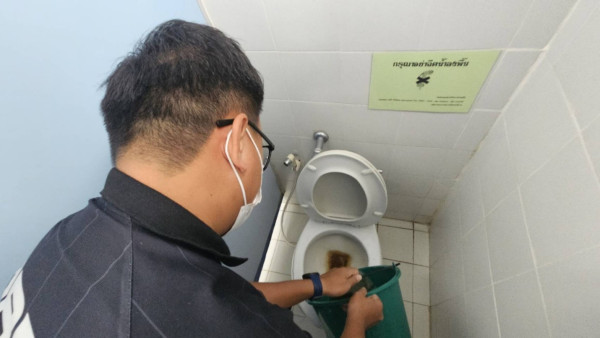
3.ในปี 2567 งานอาคารสถานที่และบริการดำเนินกิจกรรมนำร่องด้วยการนำขยะอินทรีย์และขยะอาหารกลับมาใช้ประโยชน์ใหม่ผ่านกระบวนการหมักและการเพิ่มสารอาหารให้กับจุลินทรีย์ตามธรรมชาติเพื่อทดลองใช้ควบคุมกลิ่นและเพิ่มประสิทธิภาพในการย่อยสลายสารอินทรีย์ในระบบบำบัดน้ำเสีย
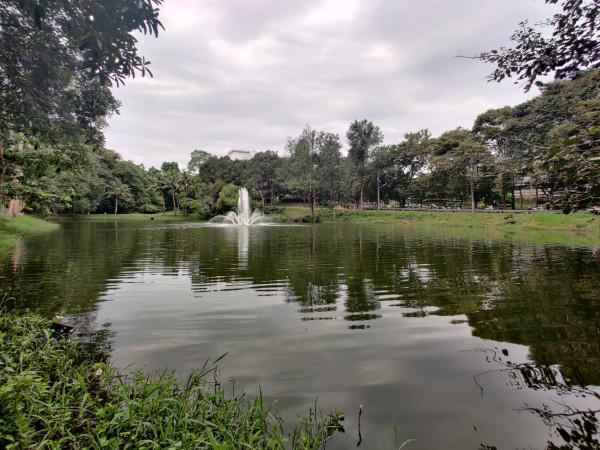
4. การบำบัดน้ำเสียจากอาคารด้วยบ่อตกตะกอน (Oxidation pond) ก่อนปล่อยสู่แหล่งน้ำตามธรรมชาติในมหาวิทยาลัย หรือนำมาใช้รดน้ำต้นไม้ในช่วงฤดูแล้ง (บ่อหลังคณะวิทยาศาสตร์และเทคโนโลยี)
5. มีการตรวจสอบคุณภาพน้ำทิ้งจากอาคารตามประกาศของมหาวิทยาลัย
Rambhai Barni Rajabhat University has established a system and operational measures for controlling wastewater at its sources, which include the following:
1. Issuance of a University Declaration on Waste Management Measures, requiring the regular monitoring of wastewater quality to ensure compliance with established environmental standards.
2. Installation of oil and grease traps to treat wastewater generated from dishwashing activities within university buildings, as well as the implementation of onsite wastewater treatment systems for academic buildings, utilizing septic tank systems for primary treatment.
3. In 2024, the Division of Buildings and Ground Services initiated a pilot project to recycle organic and food waste through fermentation and nutrient enrichment processes to enhance natural microorganisms. This initiative aims to control odors and improve the efficiency of organic matter decomposition within the wastewater treatment system.
4. Treatment of wastewater through oxidation ponds prior to discharge into natural water sources within the university or reuse for landscape irrigation during the dry season (specifically, the pond located behind the Faculty of Science).
5. Regular monitoring of effluent quality from university buildings is conducted in accordance with the university’s official regulations and environmental standards.
ภาพกิจกรรม
.jpg)
ลิงก์ที่เกี่ยวข้อง
- https://pr.rbru.ac.th/green/page.php?id=61
- https://pr.rbru.ac.th/green/page.php?id=54
- https://pr.rbru.ac.th/green/page.php?id=70
- https://pr.rbru.ac.th/green/page.php?id=68
- https://pr.rbru.ac.th/green/page.php?id=58
SDG ที่เกี่ยวข้อง
 SDG 6 : การจัดการน้ำและสุขาภิบาล
 SDG 15 : การใช้ประโยชน์จากระบบนิเวศทางบก