นโนบายความร่วมมือในระดับนานาชาติ ในการรวบรวมและวัดผลข้อมูลตามเป้าหมายการพัฒนาที่ยั่งยืน (SDGs) สำหรับปี 2024 (17.2.3)
รายละเอียดโครงการ
มหาวิทยาลัยมีนโนบายความร่วมมือในระดับนานาชาติในการรวบรวมและวัดผลข้อมูลตามเป้าหมายการพัฒนาที่ยั่งยืน (SDGs)สำหรับปี 2567 ยกตัวอย่างเช่น
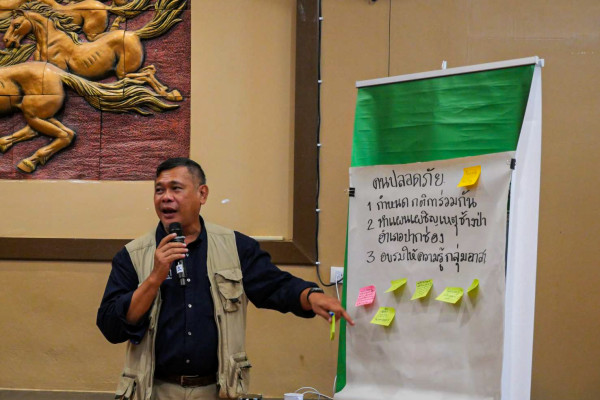
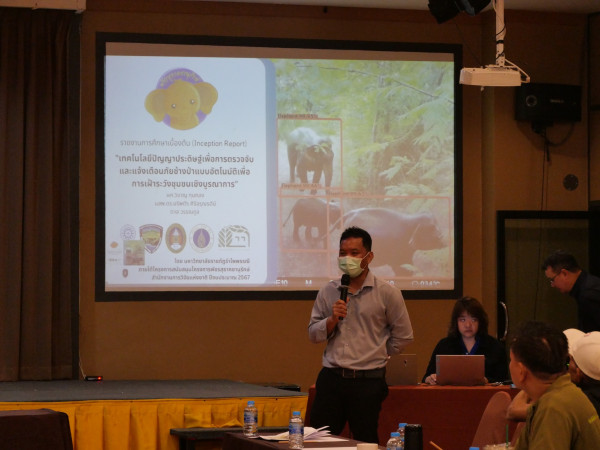
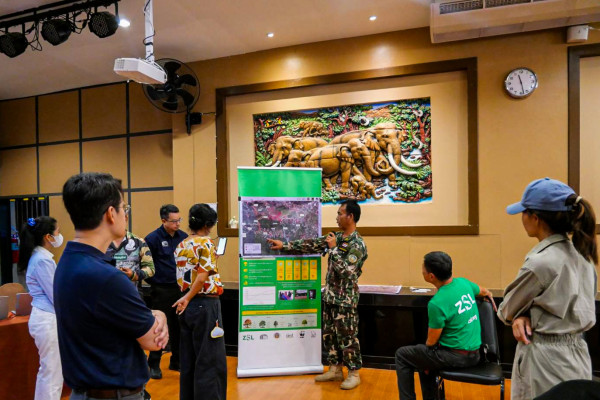
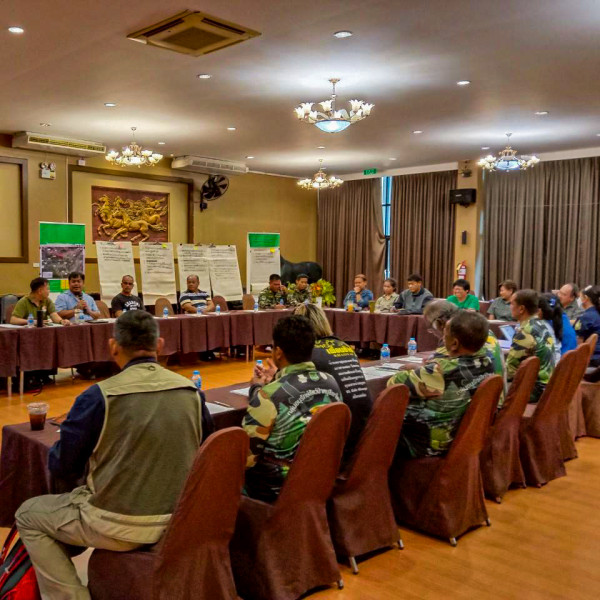
1. โครงการวิจัยและพัฒนาต้นแบบเพื่อการอยู่ร่วมกันอย่างยั่งยืนระหว่างคนกับช้างในประเทศไทย
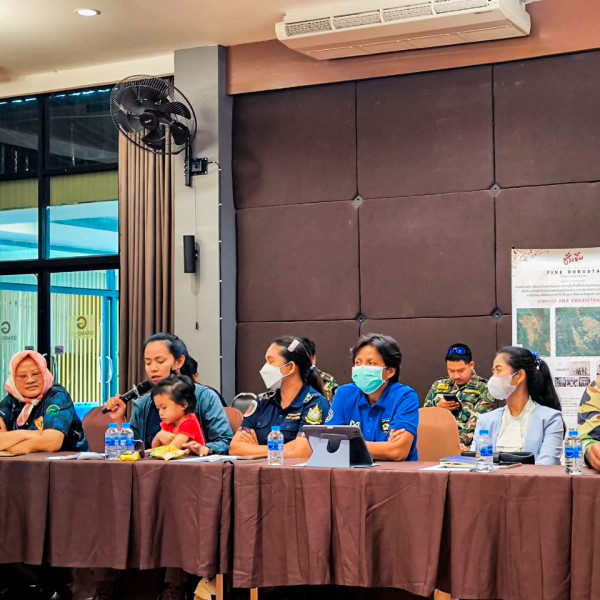
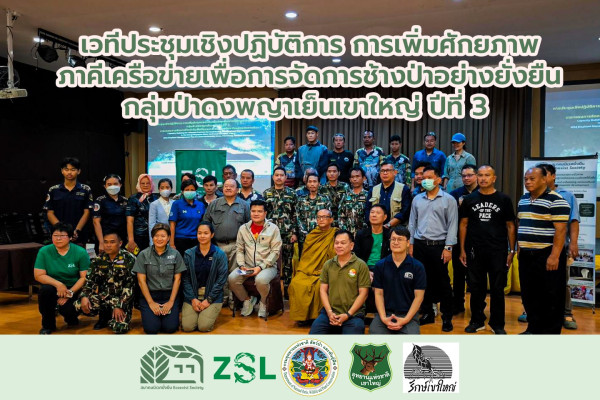
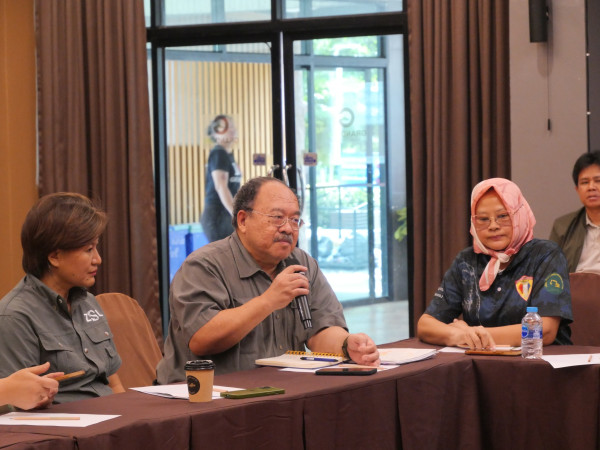
มหาวิทยาลัยราชภัฏรำไพพรรณี ร่วมกับสมาคมนิเวศยั่งยืน สมาคมสัตววิทยาแห่งลอนดอน(Zoological Society of London: ZSL Thailand)อุทยานแห่งชาติเขาใหญ่และองค์กรภาคีเครือข่ายทั้งในและต่างประเทศ ซึ่งดำเนินงานภายใต้การสนับสนุนจากDarwin Initiative รัฐบาลสหราชอาณาจักรโครงการนี้เริ่มดำเนินการตั้งแต่ปีพ.ศ. 2566 - 2568มหาวิทยาลัยราชภัฏรำไพพรรณีมีบทบาทสำคัญในการสนับสนุนการดำเนินงานด้านการวิจัยและถ่ายทอดองค์ความรู้ โดยทำงานร่วมกับหน่วยงานภาครัฐ ภาคเอกชน ภาคประชาสังคม และชุมชนท้องถิ่น เพื่อให้เกิดการบูรณาการอย่างแท้จริง ผลการดำเนินงานที่เกิดขึ้นเป็นรูปธรรมและสามารถนำไปประยุกต์ใช้ได้จริงในพื้นที่กิจกรรมสำคัญภายใต้โครงการประกอบด้วย
1) การพัฒนาร่างแผนการจัดการช้างป่าในพื้นที่ชุมชน
มีการทบทวนผลการดำเนินงานจากปีที่ 1-2 และนำข้อมูลดังกล่าวมาพัฒนาเป็นร่างแผนการจัดการช้างป่าที่ครอบคลุมทุกมิติของการบริหารจัดการพื้นที่ ทั้งในด้านการเฝ้าระวัง การสื่อสาร การจัดการความขัดแย้ง และการมีส่วนร่วมของประชาชนในพื้นที่ตำบลหมูสี อำเภอปากช่อง จังหวัดนครราชสีมา นอกจากนี้ ยังได้กำหนดกติกาการทำงานของอาสาสมัครเฝ้าระวังช้างป่า พร้อมจัดทำแผนที่เส้นทางการเคลื่อนที่ของช้างเพื่อใช้เป็นฐานข้อมูลสำหรับการวางแผนและบริหารจัดการร่วมกันระหว่างชุมชนกับหน่วยงานที่เกี่ยวข้อง
2)การนำร่องนวัตกรรมระบบกล้อง AI แจ้งเตือนช้างป่า
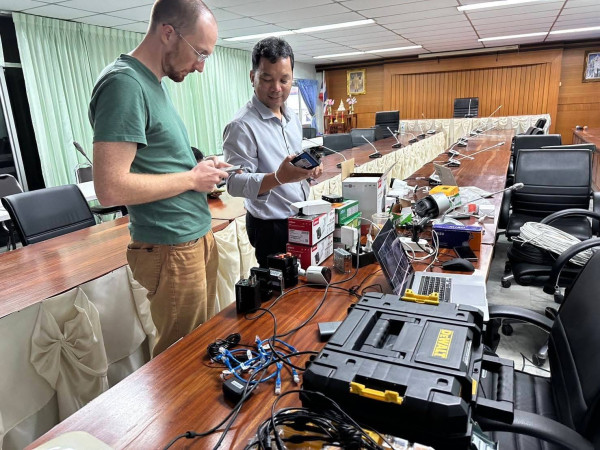
โครงการได้นำเทคโนโลยีปัญญาประดิษฐ์ (AI) มาประยุกต์ใช้ในระบบเฝ้าระวังและแจ้งเตือนภัย โดยติดตั้งกล้อง AI ตรวจจับการเคลื่อนไหวของช้างป่าในพื้นที่ตำบลหมูสี จำนวน 6 เส้นทางหลัก เพื่อเพิ่มประสิทธิภาพในการเฝ้าระวังและลดความเสี่ยงจากเหตุการณ์ปะทะระหว่างคนกับช้าง
3) การจัดตั้งศูนย์เฝ้าระวังช้างป่าและคณะทำงานระดับพื้นที่โครงการได้ผลักดันให้เกิดการจัดตั้งศูนย์เฝ้าระวังช้างป่าตำบลหมูสีและคณะทำงานแก้ไขปัญหาช้างป่าระดับอำเภอปากช่อง จังหวัดนครราชสีมาเพื่อสร้างกลไกการบริหารจัดการร่วมระหว่างภาครัฐ เอกชน และประชาชนในพื้นที่ โดยศูนย์ฯ ดังกล่าวทำหน้าที่เป็นศูนย์กลางในการรวบรวมข้อมูล รายงานสถานการณ์ และประสานงานการดำเนินงานร่วมกันอย่างเป็นระบบ
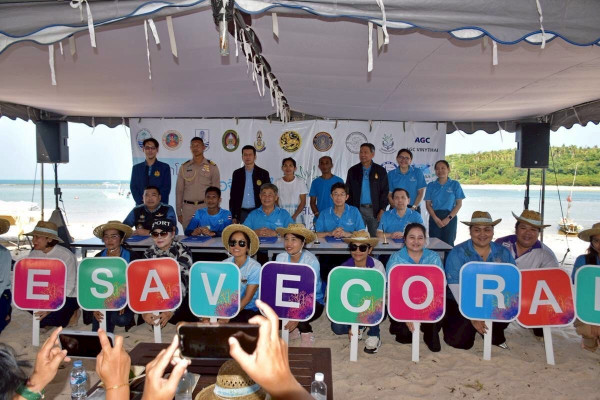
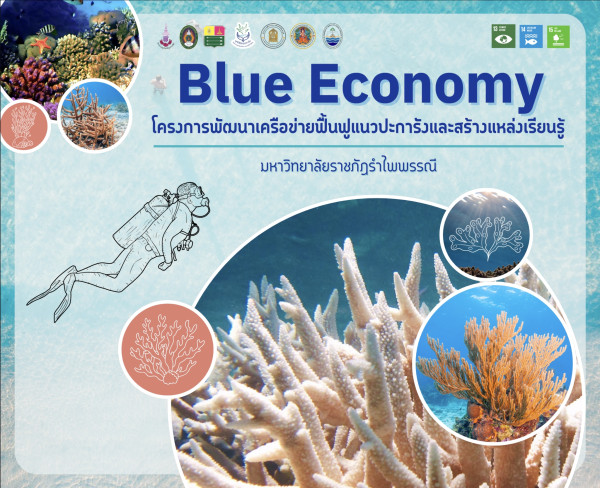
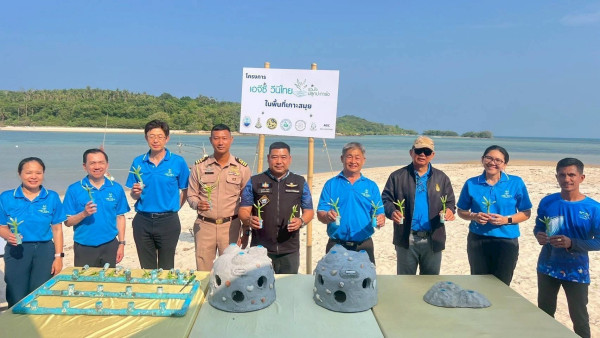
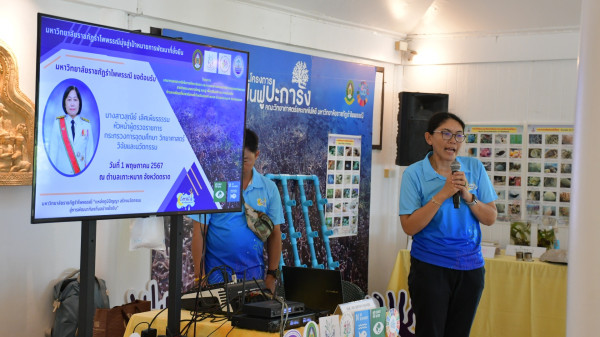
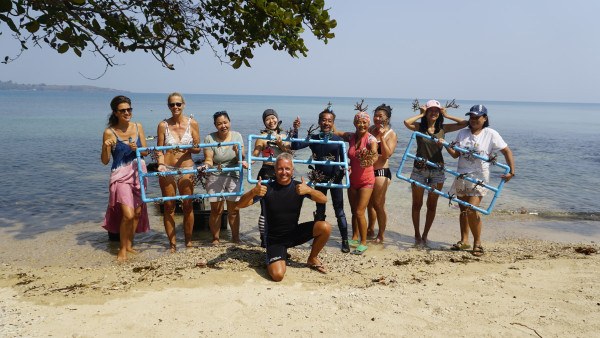
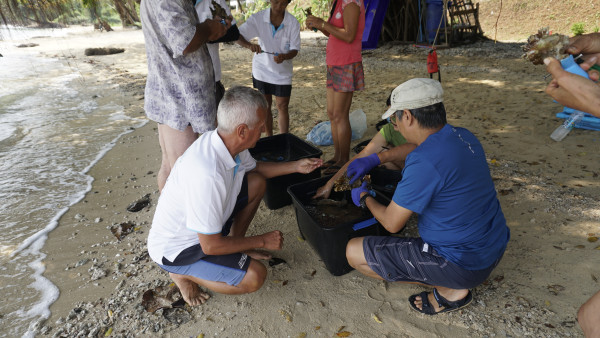
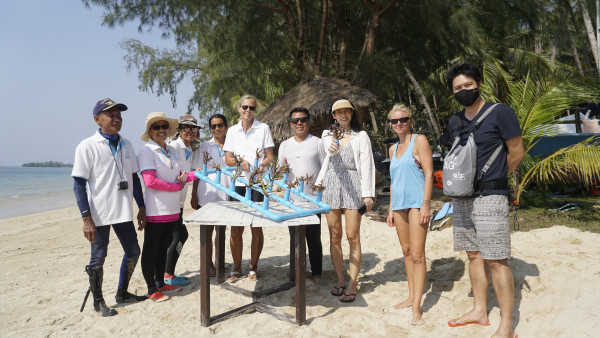
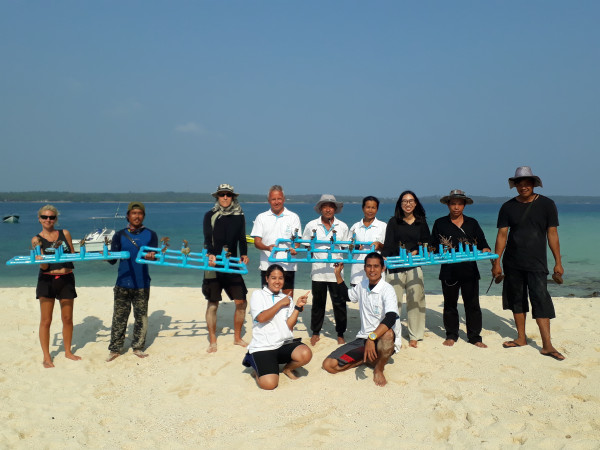
2.โครงการฟื้นฟูปะการังของมหาวิทยาลัยราชภัฏรำไพพรรณี
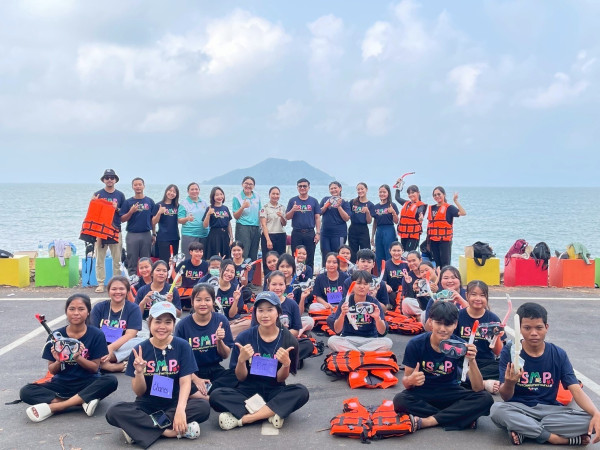
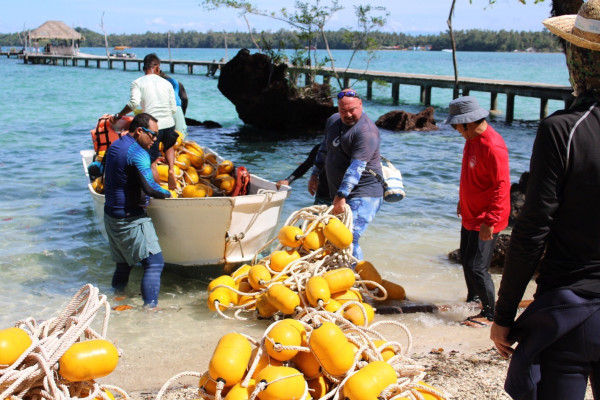
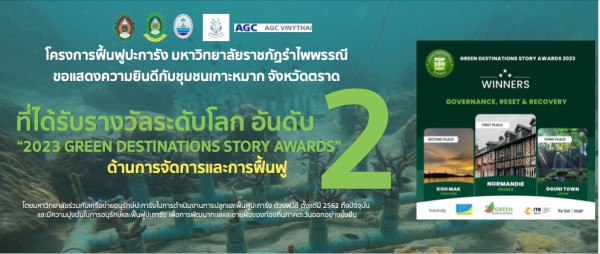
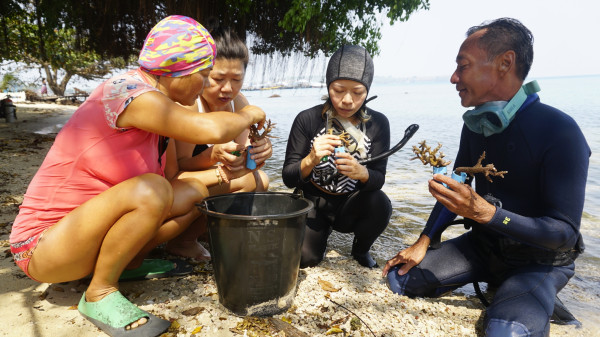
เริ่มขึ้นกว่า 20 ปีที่ผ่านมา โดยผสานองค์ความรู้ด้านชีววิทยาและนิเวศวิทยาทางทะเลกับทักษะการดำน้ำ เพื่อฟื้นฟูแนวปะการังที่เสื่อมโทรมจากกิจกรรมของมนุษย์ สำหรับกระบวนการดำเนินงานนั้น โครงการมีการใช้งานวิจัยเพื่อพัฒนานวัตกรรมการฟื้นฟูปะการัง เช่น แปลงอนุบาล การวางทุ่น และธนาคารพันธุกรรมปะการัง พร้อมสร้างการมีส่วนร่วมของชุมชน เยาวชน นักท่องเที่ยว และหน่วยงานภาครัฐ-เอกชน ถ่ายทอดองค์ความรู้สู่สังคม ผ่านงานบริการวิชาการกว่า 30 โครงการ และขยายผลสู่เศรษฐกิจสร้างสรรค์เชิงพื้นที่ เช่น “Creative Koh Mak” การท่องเที่ยวคาร์บอนต่ำและผลิตภัณฑ์ทะเลสร้างสรรค์ผลลัพธ์ จากการดำเนินโครงการทำให้มีการฟื้นฟูปะการัง 15,400 โคโลนี ใน 11 เกาะของประเทศไทย พัฒนากำลังคนกว่า 370 คน และนักเรียน 5,300 คน จากทั้งหมด30 โรงเรียนสร้างเครือข่ายระดับชาติ2 เครือข่ายระดับนานาชาติ3เครือข่าย และตีพิมพ์ผลงานวิจัย 10 เรื่อง และลิขสิทธิ์วิจัย 3 เรื่องนอกจากนี้ ชุมชนเกาะหมากยังได้รับรางวัลระดับโลก 2nd Prize – 2023 Green Destinations Story Awards (Berlin, Germany) และติดอันดับ Top 100 แหล่งท่องเที่ยวยั่งยืนโลก ทั้งยังสร้างผลลัพธ์ทางสังคมและเศรษฐกิจ ด้วยการสร้างงาน รายได้ และการท่องเที่ยวเชิงนิเวศ
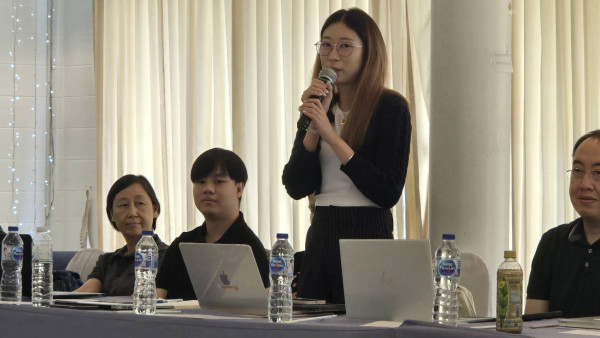
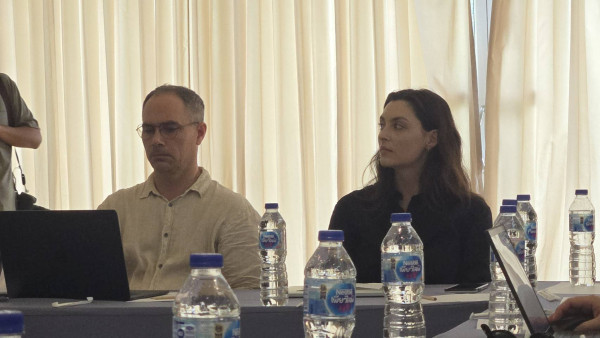
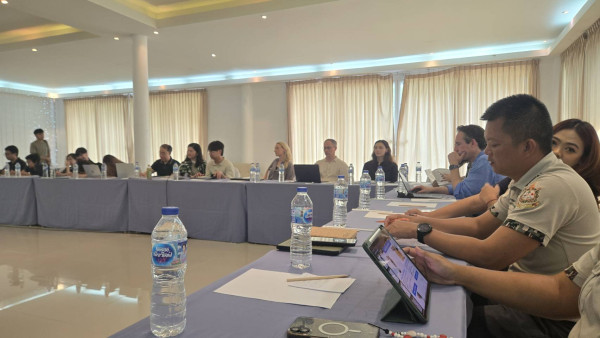
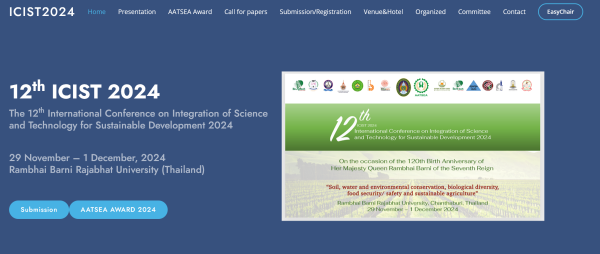
นอกจากนี้ มหาวิทยาลัยราชภัฏรำไพพรรณี เป็นเจ้าภาพจัดการประชุมระดับนานาชาติ The 12th International Conference on Integration of Science and Technology for Sustainable Development 2024 (12th ICIST 2024)ระหว่างวันที่ 29 พฤศจิกายน - 1 ธันวาคม 2567 ณ มหาวิทยาลัยราชภัฏรำไพพรรณี โดยมีจุดมุ่งหมายเพื่อส่งเสริมและสนับสนุนให้นักวิจัย นักวิชาการและผู้เชี่ยวชาญจากหลากหลายสาขาวิชา แลกเปลี่ยนเรียนรู้ แบ่งปันผลงานวิจัย และความรู้ด้านการบูรณาการวิทยาศาสตร์และเทคโนโลยีเพื่อการพัฒนาอย่างยั่งยืน กระตุ้นให้เกิดการนำความรู้ ผลงานวิจัย และนวัตกรรมไปประยุกต์ใช้จริงเพื่อพัฒนาสังคม เศรษฐกิจ และสิ่งแวดล้อม
International Collaboration and Partnership Policy
1. Overview
Rambhai Barni Rajabhat University (RBRU) has established an international collaboration policy to collect, monitor, and evaluate data aligned with the United Nations Sustainable Development Goals (SDGs). In 2024, the university expanded its global partnerships through multidisciplinary projects and international conferences that integrate research, education, and community engagement to drive sustainable development.
2. Key Projects
2.1 Research and Development Project on Sustainable Human–Elephant Coexistence in Thailand (2023–2025)
Implemented in collaboration with the Sustainable Ecology Association, Zoological Society of London (ZSL Thailand), Khao Yai National Park, and both domestic and international partners, under the support of the Darwin Initiative, UK Government.
RBRU plays a central role in research, knowledge transfer, and stakeholder integration among government, private, civil society, and local communities to ensure inclusive and evidence-based management.
Main Activities:
1. Development of a Community Wild Elephant Management Plan – Reviewed data from the first two years to formulate a comprehensive management plan covering surveillance, communication, conflict resolution, and community participation in Moo Si Subdistrict, Pak Chong District, Nakhon Ratchasima Province. Volunteer protocols and elephant movement maps were also established to support data-driven decision-making.
2. Pilot AI Camera Early-Warning System – Deployed artificial intelligence (AI) monitoring cameras along six main elephant routes in Moo Si Subdistrict to detect elephant movements and alert communities, reducing risks of human–elephant conflict.
3. Establishment of a Wild Elephant Surveillance Center and District Task Force – Created a local coordination mechanism connecting government agencies, private sector, and communities to collect data, report incidents, and coordinate responses systematically.
This project reflects effective multi-sectoral partnerships for biodiversity conservation, contributing to SDG 17 (Partnerships for the Goals) and SDG 15 (Life on Land).
2.2 RBRU Coral Reef Restoration Project
Initiated over 20 years ago, this long-term project combines marine biology and diving expertise to restore coral ecosystems degraded by human activities. Using applied research, the project developed coral nurseries, buoy installations, and coral gene banks while promoting community and youth engagement.
More than 30 academic service programs have been conducted, integrating science, tourism, and the creative economy through initiatives such as “Creative Koh Mak” and low-carbon tourism.
Key Achievements:
-Restored 15,400 coral colonies across 11 islands in Thailand.
-Trained over 370 professionals and 5,300 students from 30 schools.
-Established 2 national and 3 international networks.
-Published 10 research papers and registered 3 research copyrights.
-Koh Mak community received the 2nd Prize at the 2023 Green Destinations Story Awards (Berlin, Germany) and was ranked among the Top 100 Global Sustainable Destinations.
This initiative links science, community, and industry to foster blue economy innovation and supports SDG 14 (Life Below Water), SDG 8 (Decent Work and Economic Growth), and SDG 11 (Sustainable Cities and Communities).
2.3 The 12th International Conference on Integration of Science and Technology for Sustainable Development (ICIST 2024)
RBRU will host the 12th ICIST 2024 from 29 November – 1 December 2024 at its campus. The conference aims to strengthen international collaboration among researchers, academics, and experts across disciplines. It serves as a global platform to exchange scientific knowledge, share best practices, and promote the integration of science and technology for sustainable development.
The event encourages the application of research outputs and innovation to real-world challenges in society, economy, and environment, reinforcing the university’s role in fostering global partnerships for sustainability.
3. Outcomes and Impact
-Strengthened international research collaborations and knowledge exchange networks.
-Enhanced community-based innovation and technology transfer for sustainability.
-Promoted inclusive participation of local communities and global partners.
-Contributed to policy development and conservation models at national and regional levels.
-Positioned RBRU as a leading regional hub for integrating science, technology, and sustainability education.
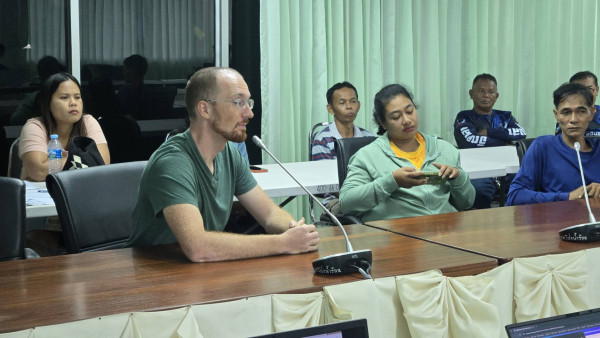
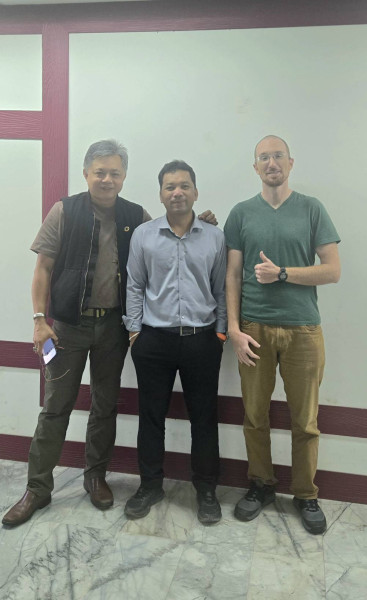
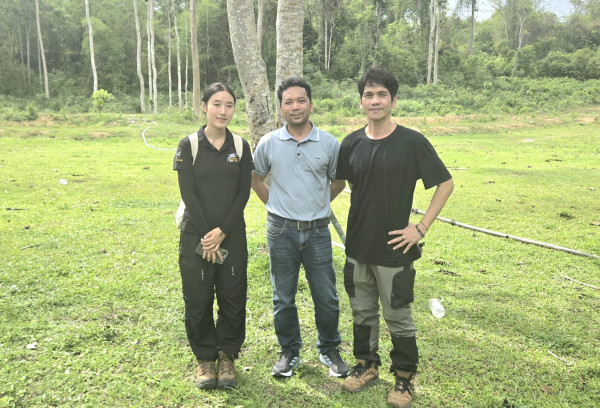
ภาพกิจกรรม


ลิงก์ที่เกี่ยวข้อง
- https://sdg.rbru.ac.th/project/detail/254
- http://www.aatsea.org/icist2024/
- https://sdg.rbru.ac.th/project/detail/444
- https://www.facebook.com/share/p/1KRc6HH1My/
SDG ที่เกี่ยวข้อง
 SDG 4 : การศึกษาที่มีคุณภาพ
 SDG 8 : การจ้างงานที่มีคุณค่าและการเติบโตทางเศรษฐกิจ
 SDG 9 : อุตสาหกรรม นวัตกรรม โครงสร้างพื้นฐาน
 SDG 11 : เมืองและถิ่นฐานมนุษย์อย่างยั่งยืน
 SDG 12 : แผนการบริโภคและการผลิตที่ยั่งยืน
 SDG 13 : การรับมือการเปลี่ยนแปลงสภาพภูมิอากาศ
 SDG 14 : การใช้ประโยชน์จากมหาสมุทรและทรัพยากรทางทะเล
 SDG 15 : การใช้ประโยชน์จากระบบนิเวศทางบก
 SDG 17 : ความร่วมมือเพื่อการพัฒนาที่ยั่งยืน